
Effective technical tutorials are more than just instructions; they are critical touchpoints for user education, product adoption, and establishing authority within a niche. For marketers, SEO professionals, and site owners, well-structured tutorials translate directly into reduced support queries, increased user engagement, and improved organic visibility. The goal is to demystify complex processes, making them accessible to a defined audience while simultaneously optimizing for discoverability and retention. Crafting a tutorial that achieves both technical accuracy and commercial impact requires a methodical approach, focusing on clarity, precision, and an understanding of user intent.
Audience-Centric Content Planning
The foundation of any successful technical tutorial is a deep understanding of its intended audience. Without this, content risks being either too simplistic or overly complex, alienating readers and diminishing its utility. Before writing, define the target user's existing knowledge base and their specific objective when seeking out your tutorial.
Identifying Skill Levels and Prerequisites
Pinpoint the baseline technical proficiency of your readers. Are they beginners, intermediate users, or advanced developers? This dictates the level of detail required for explanations and the complexity of terminology. For instance, a tutorial on setting up a basic WordPress site for a small business owner will differ significantly from one detailing custom plugin development for a seasoned programmer. Clearly state any prerequisites or prior knowledge needed at the beginning of the tutorial; this manages expectations and prevents user frustration. Failing to do so can lead to high bounce rates as users quickly realize the content is not suitable for their skill level.
Mapping User Intent to Tutorial Scope
Consider the specific problem or task the user is trying to solve. Is their intent informational (understanding a concept), navigational (finding a specific feature), or transactional (completing a setup or configuration)? A tutorial focused on informational intent might explore the 'why' behind a technical decision, while a transactional one will prioritize the 'how.' Aligning the tutorial's scope directly with this intent ensures that every step and explanation directly contributes to the user's goal, maximizing perceived value and completion rates. Avoid scope creep; a single tutorial should address a single, well-defined problem.
Logical Flow and Information Hierarchy
Technical instructions demand a clear, linear progression. A disorganized tutorial forces users to re-read or jump around, leading to errors and abandonment. Structure is paramount for both human comprehension and search engine indexing.
Step-by-Step Breakdown with Visual Cues
Break down complex procedures into discrete, numbered steps. Each step should represent a single, actionable instruction. Use strong, descriptive headings for sections and sub-sections to create a visual hierarchy that allows users to quickly scan and locate relevant information. Incorporate screenshots, diagrams, or short video clips where appropriate. Visual aids are particularly effective for illustrating user interface elements, command-line outputs, or complex data flows, reducing ambiguity and improving retention. Ensure visuals are high-resolution, clearly annotated, and directly support the text.
Incorporating Code Snippets and Examples
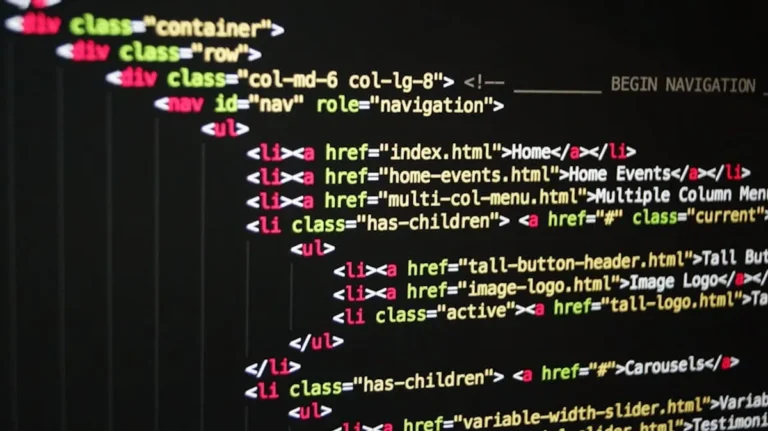
When dealing with code, configuration files, or command-line inputs, use dedicated code blocks. These should be clearly distinguishable from regular text, often with distinct formatting (e.g., monospace font, syntax highlighting). Provide complete, runnable, and thoroughly tested examples. Explain each line or section of code concisely, focusing on its purpose within the larger context. Avoid presenting large, uncommented blocks of code; instead, break them into smaller, digestible segments with explanatory text in between.
Pro Tip: Always test every instruction, code snippet, and configuration detail in your tutorial on a fresh environment before publishing. What works on your machine might not work for a user with a slightly different setup, leading to significant frustration and support tickets. Verification prevents errors and builds user trust.
Precision, Conciseness, and Accessibility
Technical writing demands accuracy and clarity. Ambiguous language, jargon, or excessive verbosity can obscure crucial details and hinder understanding.
Using Specific Terminology Consistently
Employ precise technical terms consistently throughout the tutorial. If a term has multiple meanings in different contexts, define it clearly at its first appearance. Avoid using synonyms for key terms, as this can confuse readers. For example, if you refer to a 'database instance' in one section, do not switch to 'DB server' or 'data store' interchangeably without explicit clarification. This consistency builds a predictable reading experience and reinforces learning.
Balancing Technical Detail with Plain Language
While precision is critical, avoid unnecessary jargon where simpler, clearer language suffices. When technical terms are essential, define them or link to a glossary. The goal is to convey complex information without overwhelming the reader. Use active voice and direct sentences. For instance, instead of "The configuration file should be modified by the user," write "Modify the configuration file." This makes instructions more direct and actionable.
Enhancing Discoverability and Retention
A technically sound tutorial is only effective if users can find it and engage with it. SEO principles and user experience design are integral to maximizing a tutorial's reach and impact.
Strategic Keyword Integration
Research relevant keywords and phrases that your target audience uses when searching for solutions to the problem your tutorial addresses. Integrate these keywords naturally into the tutorial's title, headings, introduction, and body text. Focus on long-tail keywords that indicate specific user intent, such as "how to install X on Y platform" or "troubleshoot Z error in A software." This improves organic search visibility and ensures the tutorial reaches users actively seeking that specific solution.
Internal Linking and Related Resources
Link to other relevant tutorials, documentation, or foundational articles on your site. This creates a logical content ecosystem, helps users deepen their understanding, and improves site-wide SEO by distributing link equity. For example, if your tutorial assumes knowledge of a certain concept, link to an introductory guide on that topic. Provide links to external official documentation or reputable resources where appropriate, but ensure they open in a new tab to keep users on your site.
Effective formatting enhances readability and user experience:
- Bold text: Highlight key terms, commands, or critical actions.
- Numbered lists: For sequential steps in a process.
- Bullet points: For non-sequential lists of features, requirements, or considerations.
- Code blocks: Clearly delineate code, commands, or configuration snippets.
- Callout boxes: Use for warnings, notes, or tips that require special attention.
- Consistent styling: Maintain uniform fonts, colors, and spacing throughout for a professional appearance.
Testing, Feedback, and Continuous Improvement
A published tutorial is not a static artifact. Technology evolves, and user needs change. Regular review and iteration are essential for maintaining accuracy and relevance.
Technical Accuracy Verification
Schedule periodic reviews to ensure all instructions, code, and technical details remain current. Software updates, API changes, or new best practices can quickly render parts of a tutorial obsolete. Assign responsibility for these checks and establish a clear revision history or "last updated" timestamp on the tutorial itself. This transparency builds trust with users.
User Experience Testing
Collect feedback from actual users. Are they able to follow the steps? Where do they get stuck? Are there common errors they encounter? Use analytics to track completion rates, time on page, and bounce rates. A high bounce rate on a specific step might indicate a point of confusion. Incorporate this feedback to refine language, add clarifying visuals, or restructure sections. Iterative improvement based on user data ensures the tutorial remains maximally effective.
Actionable Steps for Tutorial Success
To produce technical tutorials that serve both your audience and your business objectives, begin by meticulously defining your reader's skill level and specific intent. Structure content logically with clear, actionable steps, supported by relevant visuals and thoroughly tested code examples. Prioritize precise, concise language, balancing technical accuracy with accessibility. Integrate relevant keywords and internal links to enhance discoverability and user journey. Finally, implement a robust review process to ensure ongoing technical accuracy and a continually optimized user experience. This systematic approach transforms a mere instruction set into a valuable asset for user education and organic growth.
Frequently Asked Questions
How long should a technical tutorial be?
The ideal length depends on the complexity of the task. Focus on completeness and clarity rather than an arbitrary word count. A simple task might require 300-500 words, while a complex setup could justify 1500-2000 words or more, broken into digestible sections.
Should I use screenshots or videos?
Both have merits. Screenshots are excellent for static UI elements and quick visual references within text. Videos are superior for demonstrating dynamic processes, complex interactions, or sequential actions that are difficult to convey with static images. Use them strategically where they add the most clarity.
What's the biggest mistake in technical tutorials?
The most common mistake is assuming too much prior knowledge from the user. This leads to skipped steps, unexplained jargon, or instructions that lack sufficient context, causing frustration and high abandonment rates.
How often should I update technical tutorials?
Update frequency depends on the stability of the technology covered. For rapidly evolving software or APIs, quarterly or bi-annual reviews are advisable. For more stable technologies, an annual review might suffice. Always update immediately if a critical error or security vulnerability is discovered.