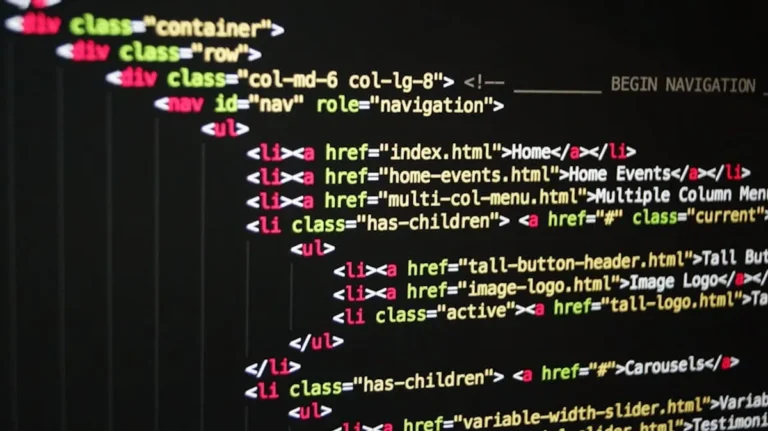

Navigating the expansive landscape of web development can feel overwhelming, especially when seeking high-quality, free educational resources. The internet is awash with tutorials, courses, and documentation, but discerning which platforms offer structured learning paths, current information, and practical application is critical for effective skill acquisition. This guide evaluates a selection of the most impactful free resources available, focusing on their instructional approach, content depth, and suitability for various learning styles and career aspirations. The objective is to provide a clear roadmap for self-starters to build a robust foundation in web development without upfront financial investment, emphasizing resources that facilitate practical skill development and portfolio building.
How to Choose Free Web Development Resources
Selecting the right free web development resources involves more than just picking the first result from a search engine. Consider these factors to align resources with your learning style and career goals:
- Learning Style Alignment: Some individuals thrive with interactive coding exercises, while others prefer video lectures, in-depth documentation, or project-based learning. Identify your preferred method to ensure engagement and retention.
- Curriculum Structure and Depth: Evaluate whether a resource offers a guided, sequential curriculum or functions more as a reference library. For beginners, a structured path is often more effective, while experienced learners might seek specific documentation or advanced tutorials.
- Practical Application and Projects: The ability to apply theoretical knowledge to real-world projects is paramount. Prioritize resources that integrate hands-on coding challenges, project assignments, or encourage building a portfolio.
- Community Support: Learning independently can be isolating. Resources with active forums, Discord channels, or peer review systems provide invaluable support, motivation, and opportunities for collaborative problem-solving.
- Content Freshness and Relevance: Web technologies evolve rapidly. Ensure the resource's content is regularly updated to reflect current industry standards, best practices, and the latest versions of languages and frameworks.
- Career Path Focus: Determine if your interest lies in frontend (user interface), backend (server-side logic), or full-stack development. Some resources specialize, while others offer broader curricula.
1. freeCodeCamp
freeCodeCamp is a non-profit organization offering a comprehensive, self-paced curriculum designed to take learners from absolute beginners to job-ready developers. Its core strength lies in its project-based learning approach, covering a wide array of topics including HTML, CSS, JavaScript, frontend libraries like React, APIs, databases, and version control. Learners earn certifications by completing a series of required projects, which form a practical portfolio.
Best for: Aspiring developers seeking a structured, self-paced, project-driven path to build a portfolio and gain foundational skills, especially those aiming for a full-stack generalist role.
Pros:
- Extensive curriculum covering both frontend and backend development.
- Strong emphasis on practical, portfolio-worthy projects.
- Active and supportive global community forum.
- Free certifications upon track completion.
- Accessible directly in the browser with interactive coding challenges.
Cons:
- Can feel overwhelming due to the sheer volume of content.
- Requires significant self-discipline to complete tracks without external deadlines.
- Certifications, while valuable for a portfolio, are not formal degrees.
Verdict: An excellent starting point for motivated self-learners, particularly for building a practical portfolio. Its structured curriculum and project focus provide a clear roadmap for entry-level roles, though it demands consistent effort.
2. The Odin Project
The Odin Project provides a comprehensive, open-source curriculum for full-stack web development, emphasizing a learn-by-doing philosophy. It acts as a guide, curating and integrating external resources (articles, videos, documentation) into a coherent learning path. The curriculum focuses on Ruby on Rails and JavaScript, encouraging learners to build complex projects and engage with a peer-driven community for code reviews and support.
Best for: Highly motivated self-learners who prefer a full-stack approach, are comfortable integrating multiple external resources, and thrive in a project-heavy, community-supported environment.
Pros:
- Extremely thorough and opinionated curriculum for full-stack development.
- Strong emphasis on practical projects and portfolio building.
- Active and supportive Discord community for peer learning and code reviews.
- Teaches industry-standard development workflows (Git, command line).
- Focuses on critical thinking and problem-solving over rote memorization.
Cons:
- Demanding and time-intensive; not suitable for those seeking quick results.
- Relies heavily on external resources, requiring learners to navigate different platforms.
- Can be challenging for absolute beginners without prior technical exposure.
Verdict: An exceptional resource for building a deep, practical understanding of full-stack development, provided the learner is committed to a rigorous, self-directed, and project-intensive journey.
3. MDN Web Docs
MDN Web Docs (Mozilla Developer Network) is an authoritative, community-driven resource for web technologies, maintained by Mozilla. It provides comprehensive, up-to-date documentation for HTML, CSS, JavaScript, Web APIs, and more. It functions as an indispensable reference for developers of all levels, offering detailed explanations, code examples, and compatibility information across browsers, making it a cornerstone for understanding core web standards.
Best for: Developers seeking authoritative, in-depth reference material for web technologies, browser compatibility information, and detailed explanations of core concepts, from beginner to advanced levels.
Pros:
- Highly accurate, comprehensive, and up-to-date technical documentation.
- Covers a vast range of web technologies and APIs.
- Includes numerous practical code examples and tutorials.
- Maintained by a reputable organization and a global developer community.
- Essential for understanding browser-specific behaviors and standards.
Cons:
- Primarily a reference, not a structured, guided learning path.
- Can be overwhelming for absolute beginners without prior context.
- Requires self-motivation to navigate and synthesize information.
Verdict: An indispensable reference for every web developer, offering unparalleled depth and accuracy. While not a standalone course, it's crucial for consolidating knowledge and troubleshooting, making it a daily tool for professionals.
4. Codecademy (Free Tracks)
Codecademy offers interactive coding lessons directly in the browser, focusing on a hands-on approach to learning programming languages and web technologies. While a significant portion of its content is premium, it provides several free introductory courses and tracks covering fundamental web development concepts like HTML, CSS, and basic JavaScript. Its interactive environment allows learners to write and execute code immediately, receiving instant feedback.
Best for: Absolute beginners who prefer an interactive, guided approach to learning syntax and basic concepts, and who benefit from immediate feedback on their code.
Pros:
- Highly interactive coding environment with instant feedback.
- Clear, bite-sized lessons make learning approachable.
- Good for quickly grasping syntax and fundamental concepts.
- No local setup required; everything runs in the browser.
- Offers introductory paths for various programming languages.
Cons:
- Free content is limited compared to paid subscriptions.
- Can sometimes feel superficial without deeper theoretical explanations.
- Less emphasis on building complex, multi-file projects.
Verdict: An excellent entry point for new coders to get comfortable with basic syntax and interactive problem-solving. Its free tracks provide a solid foundation, but learners will need to supplement with other resources for project-based learning and advanced topics.
5. W3Schools
W3Schools is a long-standing online tutorial site that provides simplified explanations and examples for all major web technologies. It's known for its straightforward, easy-to-understand content and its "Try it Yourself" editor, which allows users to experiment with code directly on the page. While sometimes criticized for oversimplification, it remains a popular quick reference for syntax and basic usage of HTML, CSS, JavaScript, and various web frameworks.
Best for: Beginners seeking quick, concise explanations and basic examples for web technologies, and those who benefit from an integrated code editor for immediate experimentation.
Pros:
- Extremely beginner-friendly with simplified explanations.
- Integrated "Try it Yourself" editor for immediate code testing.
- Covers a wide range of web development topics.
- Excellent for quick syntax lookups and basic understanding.
- Organized logically for easy navigation.
Cons:
- Explanations can sometimes be overly simplistic or lack depth.
- May not always adhere to the absolute latest best practices or standards.
- Not a structured curriculum for comprehensive learning.
Verdict: A highly accessible resource for quick reference and initial understanding of web technologies. It serves well as a supplementary tool for beginners, but should be combined with more in-depth resources for a robust education.
6. Coursera (Audit Mode)
Coursera partners with universities and companies to offer online courses, specializations, and degrees. Many individual courses can be audited for free, granting access to lecture videos, readings, and sometimes quizzes, though graded assignments and certificates typically require payment. This audit mode allows learners to access university-level content, providing theoretical depth and structured learning from reputable institutions in subjects like web development, computer science fundamentals, and specific programming languages.
Best for: Learners who thrive with academic-style lectures and theoretical foundations, are self-motivated to complete coursework without graded assignments, and seek insights from university professors or industry experts.
Pros:
- Access to high-quality, university-level course content.
- Structured learning paths with video lectures and readings.
- Courses taught by reputable professors and industry experts.
- Covers theoretical concepts thoroughly, complementing practical skills.
- Wide variety of web development and related computer science topics.
Cons:
- Full access to graded assignments and certificates requires payment.
- Less interactive coding than dedicated coding platforms.
- Requires strong self-discipline to complete courses in audit mode.
Verdict: An invaluable resource for gaining theoretical understanding and academic rigor in web development. Auditing courses provides a cost-effective way to access high-quality educational content, best used in conjunction with hands-on coding practice.
7. edX (Audit Mode)
Similar to Coursera, edX is an online learning platform founded by Harvard and MIT, offering university-level courses from top global institutions. Many courses are available to audit for free, providing access to course materials like video lectures, readings, and practice problems. This allows learners to explore advanced topics in web development, computer science, and related fields, benefiting from academic rigor and diverse teaching methodologies without the financial commitment for certification.
Best for: Individuals looking for academic depth, structured learning from prestigious universities, and exposure to a broad range of computer science and web development topics, willing to forgo graded assignments and certificates.
Pros:
- Access to courses from world-renowned universities and institutions.
- High-quality video lectures and comprehensive learning materials.
- Covers both foundational computer science and specialized web development topics.
- Offers diverse perspectives and teaching styles.
- Provides a structured learning environment.
Cons:
- Certificates and graded coursework typically require payment.
- Less emphasis on interactive coding exercises compared to dedicated platforms.
- Requires significant self-motivation to complete audited courses.
Verdict: An excellent option for those seeking a deeper, academic understanding of web development and computer science principles. Its audit mode provides access to world-class education, best leveraged alongside practical coding resources to build tangible skills.
8. YouTube Channels (e.g., Traversy Media, The Net Ninja)
YouTube hosts an immense library of free web development tutorials, courses, and project walkthroughs. Channels like Traversy Media, The Net Ninja, and freeCodeCamp's own channel provide high-quality video content ranging from beginner introductions to advanced framework deep dives and full-stack project builds. These channels are often updated frequently, covering new technologies and industry trends, making them a dynamic resource for visual learners.
Best for: Visual learners who prefer video instruction, want to stay updated on the latest technologies, and enjoy following along with project builds to learn practical application.
Pros:
- Visual and auditory learning can be highly engaging.
- Content often updated frequently to reflect new technologies.
- Covers a vast array of topics, from basics to advanced frameworks.
- Many channels offer full project builds for practical experience.
- Accessible from anywhere with an internet connection.
Cons:
- Quality and accuracy can vary significantly between channels.
- Lack of structured curriculum; requires self-curation of content.
- Limited interactive coding or immediate feedback mechanisms.
- Can be distracting due to platform's nature.
Verdict: An invaluable supplementary resource for visual learners, offering a wealth of up-to-date tutorials and project guidance. It requires careful curation to find high-quality content and should be combined with more structured learning paths for comprehensive skill development.
9. CSS-Tricks
CSS-Tricks is a highly respected online publication dedicated primarily to CSS, but also covering HTML, JavaScript, and general web development topics. It features a vast archive of articles, guides, and tutorials, often providing practical solutions to common design and development challenges. Its content is known for its clarity, depth, and focus on best practices, making it an essential resource for frontend developers looking to master styling and layout.
Best for: Frontend developers, designers, and anyone looking to master CSS, explore advanced styling techniques, and find practical solutions to specific design challenges with clear, detailed explanations.
Pros:
- Exceptional depth and clarity in CSS and frontend topics.
- Regularly updated with new articles, guides, and best practices.
- Provides practical, real-world solutions and code examples.
- Strong focus on modern CSS techniques and browser compatibility.
- Community-driven content with contributions from experts.
Cons:
- Primarily focused on frontend; less coverage of backend development.
- Not a structured course, but a collection of articles and guides.
- Can be overwhelming for absolute beginners without prior context.
Verdict: An indispensable resource for anyone serious about frontend development, particularly CSS. It serves as an excellent reference and learning tool for specific techniques and advanced concepts, complementing broader web development curricula.
10. Scrimba (Free Courses)
Scrimba offers interactive coding courses using a unique "scrim" format, which combines video tutorials with an embedded, editable code editor. This allows learners to pause the video at any point, modify the instructor's code, and see the changes live in the browser. While many courses are premium, Scrimba provides a selection of free introductory courses covering HTML, CSS, JavaScript, and specific frontend frameworks, offering a highly engaging and practical learning experience.
Best for: Visual learners who benefit from interactive coding directly within video tutorials, seeking hands-on practice with frontend technologies and immediate feedback on their code modifications.
Pros:
- Highly interactive "scrim" format for hands-on learning.
- Ability to pause videos and directly edit instructor's code.
- Excellent for quickly grasping frontend concepts and building small projects.
- No local setup required; everything runs in the browser.
- Clear, concise explanations from instructors.
Cons:
- Free content is limited compared to paid courses.
- Focuses heavily on frontend development, with less backend coverage.
- Can be less suitable for deep theoretical dives or large-scale project architecture.
Verdict: An innovative and effective platform for interactive frontend learning, particularly for those who learn best by doing. Its free courses offer a strong introduction to core web technologies and provide a unique, engaging learning experience.
11. Udacity (Free Courses)
Udacity specializes in career-focused online education, often collaborating with industry leaders to develop its "Nanodegree" programs. While these Nanodegrees are paid, Udacity also offers a selection of free courses, many of which cover foundational web development, programming, and computer science topics. These free courses often include video lectures, quizzes, and sometimes smaller projects, providing a glimpse into Udacity's project-based, industry-relevant teaching methodology.
Best for: Learners seeking industry-relevant content and project-based learning, who appreciate a structured approach and insights from industry professionals, even if for foundational topics.
Pros:
- Industry-relevant content, often developed with tech companies.
- Focus on practical, project-based learning even in free courses.
- High-quality video lectures and learning materials.
- Structured curriculum for foundational topics.
- Good introduction to Udacity's teaching style and platform.
Cons:
- Free course selection is limited compared to paid Nanodegrees.
- Less interactive coding environment than dedicated platforms.
- May not offer the same level of community support as other free resources.
Verdict: A valuable resource for accessing industry-focused, project-oriented learning for free, particularly for foundational skills. It serves as an excellent way to gain practical insights and build initial projects, complementing broader learning paths.
12. Google's Web.dev
Web.dev is a resource from Google dedicated to helping developers build modern, high-quality web experiences. It provides guides, articles, and tools focused on performance, accessibility, SEO, and progressive web apps (PWAs). While not a traditional course platform, it offers practical advice and best